How to Send Gift Cards & Top-Ups to Cuba (2026 Guide)
Cuba doesn’t have traditional gift cards like Amazon or iTunes — but there are 5 real options for sending value to someone in Cuba, including Cubacel top-ups you can do internationally in minutes. This guide covers each option and how to use them from abroad.
Does Cuba Have Gift Cards?
If you’ve got family or friends in Cuba and you’re wondering whether you can just send them an Amazon gift card or a Google Play code — here’s the honest answer: not really.
Cuba’s financial system is largely disconnected from global payment networks. US sanctions, limited internet access, and a state-controlled economy mean that the gift card ecosystem most of us know simply doesn’t exist there.
But that doesn’t mean you can’t send something meaningful. There are 5 real alternatives — and one of them (Cubacel mobile top-up) you can do right now from your phone in under 5 minutes.
Let’s break each one down.
Option 1: Cubacel Recharge — The Most Practical Choice
Best for: Anyone with family in Cuba who has a mobile phone (that’s almost everyone)
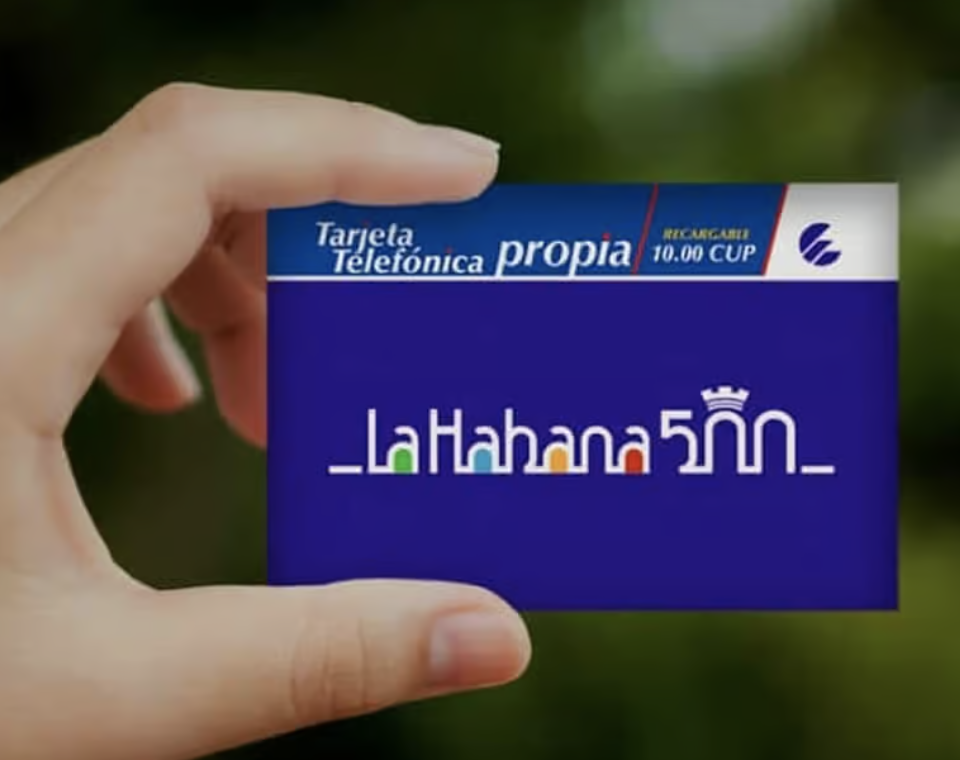
Cubacel is Cuba’s state-run mobile operator and the only major telecom on the island. A Cubacel recharge sends mobile credit directly to a Cuban phone number — it can be used for calls, SMS, and mobile data.
Why this is the #1 option for overseas Cubans
- You can do it internationally — platforms like Ding, MobileRecharge, and Boss Revolution all support Cuba Cubacel top-ups
- Instant delivery — credit usually arrives within minutes
- Genuinely useful — in a country with limited access to consumer goods, mobile credit is real value
- Promotional bonuses — Cubacel regularly runs promos where international top-ups earn bonus credit for the recipient
How to send a Cubacel top-up from abroad
- Go to a Cubacel-supported platform (Ding, MobileRecharge, or similar)
- Enter the Cuban phone number (format: +53 XXXXXXXX)
- Choose a recharge amount (typically $5–$50 USD equivalent)
- Pay by card, PayPal, or in some cases crypto
- The recipient gets an SMS confirmation when credit arrives
Pro tip: Check Cubacel’s active promotions before sending — during bonus periods, a $20 top-up can deliver 2–3x the value.
You may like: Secret HACK to Buy ANYTHING Online in Mexico with a Gift Card
Option 2: Tarjeta Propia — Cuba’s Prepaid Debit Card
Best for: Family already in Cuba who want flexibility for daily spending
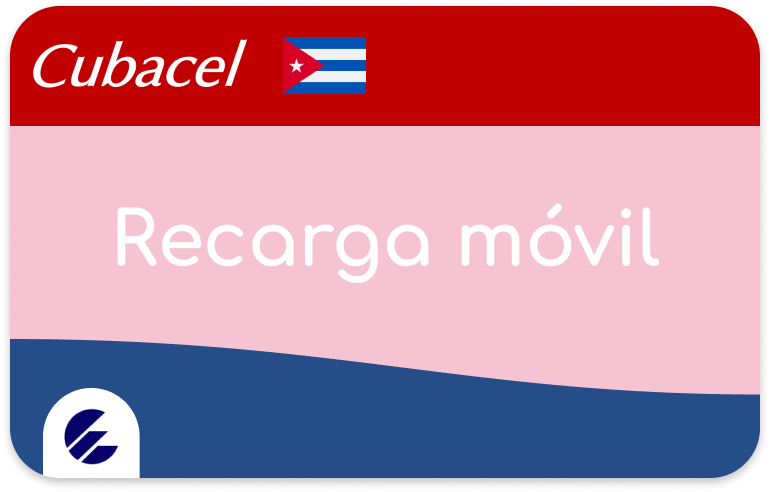
Tarjeta Propia is a Cuban prepaid debit card loaded in Cuban Pesos (CUP). Unlike the old CUC (which was phased out in 2021), CUP is the unified currency now used across the island for both state-run and private businesses.
What it can and can’t do
Can do:
- Pay at state-run stores (TRD, CIMEX)
- Pay at many private restaurants and cafes (paladares)
- Withdraw cash from ATMs
Can’t do:
- Be loaded from abroad directly (you need someone physically in Cuba to load it)
- Be used for international online purchases
Practical reality for overseas senders
The Tarjeta Propia itself can’t be sent or loaded remotely — so it’s mainly relevant if you’re in Cuba yourself, or you’re sending cash through a remittance service for a family member to load onto their card.
If your goal is sending value remotely, Cubacel top-up is far more practical.
Option 3: CIMEX Gift Certificates — For In-Store Gifting
Best for: Gifting for special occasions when someone can physically go to a CIMEX store
CIMEX is a state-owned retail chain in Cuba operating stores that sell food, electronics, clothing, and household goods. CIMEX gift certificates are essentially store credit — valid only at CIMEX locations.
What to know
- These are physical certificates, not digital codes — they need to be purchased inside Cuba
- Not available for purchase from abroad
- CIMEX stores are found in major cities (Havana, Santiago, Holguín, etc.)
- Primarily for in-person gifting situations
For most overseas Cubans, this option requires a third party already on the island to purchase and hand-deliver the certificate — making it impractical for remote gifting.
Option 4: Cupet Fuel Cards — For Family With Cars
Best for: Family members who own or operate a vehicle
CUPET (Cubana de Petróleo) is Cuba’s national petroleum company. CUPET gas stations sell prepaid fuel cards that can be used to pay for gasoline at the pump — a meaningful gift in a country where fuel is expensive and sometimes scarce.
The reality in 2026
Cuba has faced ongoing fuel shortages since 2023-2024. While CUPET fuel cards remain a valid option when fuel is available, supply unpredictability limits their practicality as a reliable gift. This is a nice-to-have for family with vehicles rather than a go-to gifting option.
Like CIMEX certificates, these need to be purchased in Cuba — not remotely sendable from abroad.
Option 5: Cultural Experience Vouchers — The Unique Gift
Best for: Treating someone to a special experience inside Cuba
Cuba has a genuinely vibrant cultural scene — world-class live music, ballet, the famous Tropicana cabaret, and more. Some venues and tourism operators sell prepaid experience vouchers for shows, excursions, or dining events.
Practical considerations
- Availability varies significantly by venue and city
- Most prominently available for tourist-facing venues in Havana
- Usually need to be booked through Cuban tourism operators or in-person
- Not easily purchasable remotely
This is the most “experiential” option — meaningful for the right recipient but the most logistically complex.
Comparison: Which Option Is Right for You?
| Option | Sendable from Abroad? | Instant? | Who It’s For |
|---|---|---|---|
| Cubacel Recharge | ✅ Yes | ✅ Yes | Anyone with a Cuban phone |
| Tarjeta Propia | ❌ No (need someone in Cuba) | — | Daily spending flexibility |
| CIMEX Gift Certificate | ❌ No | — | In-store shopping at CIMEX |
| Cupet Fuel Card | ❌ No | — | Family with vehicles |
| Cultural Vouchers | ⚠️ Limited | — | Special experiences in Havana |
Bottom line: If you’re overseas and want to send something of value to Cuba right now, Cubacel mobile top-up is the only option you can do remotely and instantly. Everything else requires physical presence in Cuba.
How to Send Money to Cuba Using Crypto
If you want to send larger amounts — not just mobile credit but real financial support — crypto is increasingly how the Cuban diaspora moves money.
Here’s the thing: Cuba’s banking isolation from SWIFT means traditional wire transfers are blocked or heavily restricted. But P2P crypto transfers? They work. USDT in particular has become a common store of value for Cubans with access to mobile internet and a crypto wallet.
The general flow:
- You buy USDT on CoinCola using your local payment method
- You send USDT to your family member’s wallet address in Cuba
- They either hold it as a dollar-pegged store of value, or find a local P2P trader to convert it to CUP
CoinCola supports P2P USDT trading with zero platform fees, escrow protection, and 10–20 minute trade times. If you’re regularly sending support back home to Cuba, it’s worth setting up.
Ready to start? Download the CoinCola app — registration takes under 5 minutes.
FAQs
No. Due to US sanctions and Cuba’s isolated financial system, international gift card brands (Amazon, iTunes, Google Play, etc.) are not available or redeemable in Cuba. The closest alternatives are Cubacel mobile top-ups and local prepaid cards.
Cubacel mobile recharges are the most practical “gift card equivalent” you can send to Cuba from abroad — instantly, remotely, and with genuine everyday value. Platforms like Ding and MobileRecharge support Cuban numbers.
No. US-issued Visa gift cards and most international prepaid cards do not work in Cuba due to financial sanctions and the lack of SWIFT-connected banking infrastructure.
Use a Cubacel-supported international top-up platform: Ding, MobileRecharge, or Boss Revolution. Enter the Cuban number in +53 format, choose an amount, and pay by card or PayPal.
Yes — P2P crypto (especially USDT TRC20) is increasingly used by the Cuban diaspora. It bypasses SWIFT restrictions and arrives in minutes. The recipient needs a smartphone and a crypto wallet app.
US regulations around Cuba remittances are complex and have changed multiple times. As of 2026, private remittances are permitted under specific OFAC licenses. Always check the latest US Treasury OFAC guidance before sending.
This is not financial advice. Always DYOR (Do Your Own Research) and verify your legal obligations before sending money internationally.
Stay blessed, stay smart — and keep your family connected. 🇨🇺